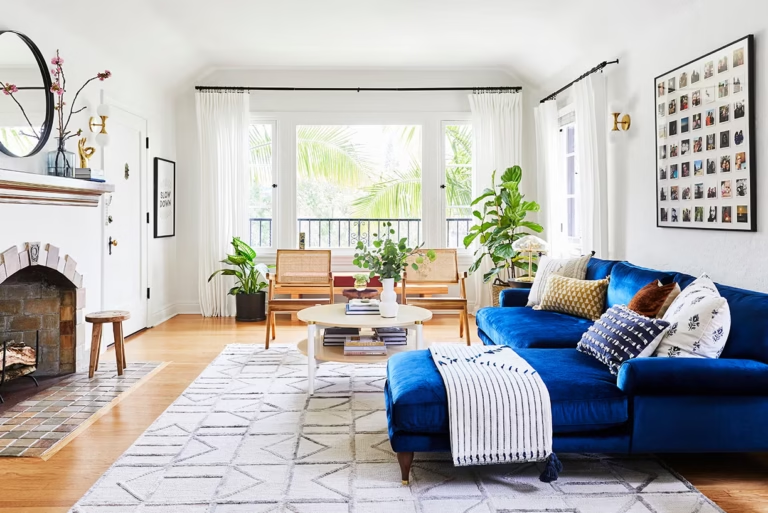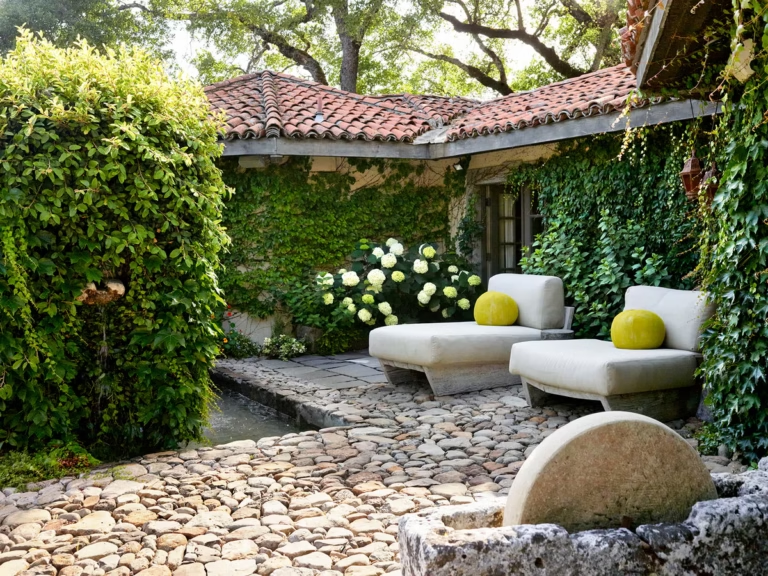
If you’re looking for cozy living room ideas for small spaces, this guide will help you transform your home into a stylish and comfortable retreat. Turning a small space into a cozy retreat requires a thoughtful approach, balancing comfort and functionality to make your room feel bigger.
Choosing the right furniture size is crucial for a fresh look. This guide offers creative ideas to enhance comfort without overwhelming the space. By using cozy living room design ideas and selecting appropriate living room sets, you can keep the room warm and open.
Lighting and storage are also key to modernizing a small room. These small living room decor ideas make your home feel cozy and offer practical solutions for city living. Discover twelve expert tips to transform a small area into a spacious retreat that everyone will enjoy.
Utilizing every inch of space creates a home that feels both cozy and expansive. By following these steps, you can enhance your living space without a big renovation.
Incorporating stylish living room sets can also elevate the overall aesthetic of your space.
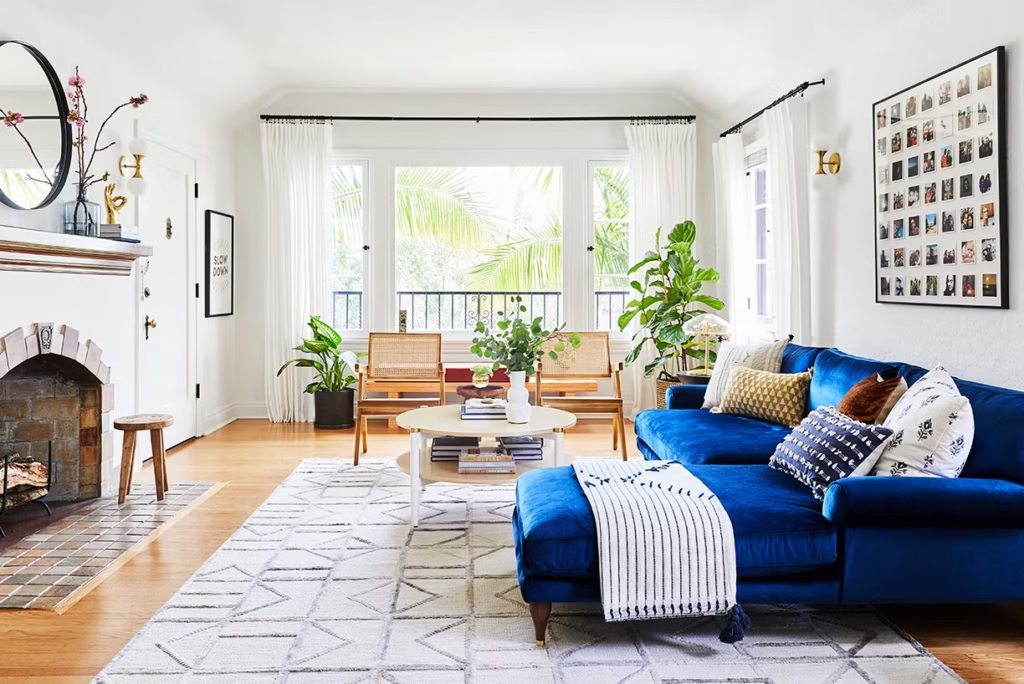
Key Takeaways
- Maximize vertical space with tall shelving units to draw the eye upward.
- Incorporate multi-functional furniture like storage ottomans to reduce clutter.
- Use mirrors to reflect light and create an illusion of depth.
- Choose a neutral color palette to brighten the area and increase openness.
- Add soft textures like wool rugs and plush throws for extra comfort.
- Select seating with legs to reveal more floor and enhance the airy feeling.
Strategic Color Palettes for Small Living Room Decor Ideas Cozy
Choosing the right colors is key for small living rooms. It can make the room feel bigger and cozier. The right colors can also make the space more inviting and comfortable.
Think about the room’s lighting, furniture, and the look you want. A color scheme that works well can make the room feel calm and bigger.
Utilizing Light and Neutral Tones
Light and neutral colors are great for making small rooms look bigger. Soft whites, creamy beiges, and pale grays reflect light and open up the space.
These colors also give your furniture and decor a clean look. You can add color with accessories without making the room feel too busy.
| Color | Effect on Space | Best Used With |
|---|---|---|
| Soft White | Makes the room feel larger and brighter | Bold artwork or colorful furniture |
| Creme Beige | Adds warmth without overwhelming the space | Earth tones and natural textures |
| Pale Gray | Creates a calm and serene atmosphere | Bright accents and metallic decor |
Stylish Living Room Sets for Every Space
Creating Depth with Monochromatic Schemes
A monochromatic scheme uses different shades of one color. This can add depth and interest to a small room.
Changing the saturation and brightness of a color can add layers. For example, using light sky blue to deep navy shades can create a soothing look.
Incorporating Accent Colors Without Clutter
Accent colors can make your room more lively. But, use them wisely to avoid clutter.
Use accent colors in small ways, like throw pillows, rugs, and accessories. This way, you can add new colors without overwhelming the space. A bold red accent can really stand out against neutral colors.
By carefully choosing and placing your colors, you can make a cozy small living room feel bigger.
Selecting Compact Furniture for Maximum Utility
The secret to a useful small living room is picking furniture that does more than one thing. This way, every piece has a purpose without taking up too much space.
Choosing Multi-Functional Pieces
Multi-functional furniture is a big help for small living rooms. Think about storage ottomans that are both seats and places to store things. Or sofa beds that can turn into guest beds. These items save space and cut down on mess.
For example, a coffee table with storage keeps your room neat. It’s a spot for books, magazines, and remotes. A nesting table is another great idea. It can be pulled out when you need it and tucked away when you don’t.
The Benefits of Leggy Furniture
Furniture with legs, not big bases, makes small living rooms feel bigger. This style, known as “leggy,” lets you see under and around it. It makes the room feel less crowded.
A leggy sofa or chair adds to the room’s airy feel. It also makes cleaning easier because there’s less to dust and vacuum.
Scaling Furniture to Room Proportions
It’s important to match furniture size to the room’s size. Big furniture can make a small room feel tight and small.
| Furniture Piece | Small Room Size Consideration | Benefits |
|---|---|---|
| Sofa | Choose a slim-profile or apartment-sized sofa. | Saves space, provides seating. |
| Coffee Table | Opt for a nesting or lift-top coffee table. | Versatile, can be stored away or adjusted. |
| Armchair | Select a chair with legs and a slim design. | Creates a sense of openness, easy to clean around. |
By picking furniture that fits the room and does more than one thing, you can make a cozy and useful living space. It will feel bigger than it is.
Optimizing Layouts to Enhance Flow

A well-planned layout can make a small living area feel bigger and more functional. By making a few smart changes, homeowners can maximize space in small living rooms. This makes the room more comfortable and inviting.
Floating Furniture Away from Walls
One good strategy is to move furniture away from walls. This makes the seating area feel more intimate and improves movement. It also creates a cozy circle for conversations.
For example, placing a sofa away from the wall and adding a console table or lamp behind it adds depth. This layout makes it easy to change the furniture arrangement for different needs and events.
Defining Zones in Open-Concept Spaces
In open-concept areas, it’s important to define different zones. Area rugs, different lighting, or flooring changes can help. For instance, an area rug can mark the seating area, while a different rug or flooring can separate the dining or kitchen.
This zoning improves the room’s look and makes it more organized. It helps create a sense of separation and order in the open space. By visually separating areas, homeowners can enhance the flow and functionality of their small living room.
Maintaining Clear Traffic Paths
Keeping paths clear is key for a smooth flow in small living rooms. Cluttered paths can make the room feel tight and uncomfortable. It’s important to keep walkways open and think about the “traffic lane” when arranging furniture.
- Leave enough space between furniture pieces for easy movement.
- Avoid placing furniture in a way that creates narrow pathways or bottlenecks.
- Consider the flow of traffic and arrange furniture to facilitate easy navigation.
By keeping paths clear and using other layout strategies, homeowners can make their living area feel bigger and more welcoming.
The Power of Vertical Space Utilization
Using vertical space well is crucial for making small homes feel bigger and more welcoming. Vertical elements can make a room feel taller and more impressive. This makes small living rooms seem more open and inviting.
Floor-to-Ceiling Shelving
Floor-to-ceiling shelving is a smart way to add storage and make a room feel taller. It offers plenty of room for books, decorations, and storage bins. Plus, it makes the room feel taller by drawing the eye up.
When picking out floor-to-ceiling shelving, think about the material and design. Choose something that fits well with your room’s style. Minimalist designs can make a room feel more open. More ornate designs can add charm and warmth.
Hanging Curtains High
Hanging curtains as high as you can makes a room look taller. This trick connects the walls and ceiling, making the ceiling seem higher. It’s a simple way to make a room feel more spacious.
For the best look, pick curtains that are light in color and flow well to the floor. This not only makes the room feel taller but also adds elegance.
Wall-Mounted Lighting Solutions
Wall-mounted lighting is another great way to use vertical space. These lights make the room feel taller and add depth. They’re not just useful, but also decorative.
Try using sconces or vertical LED lights for a layered look. These lights provide the needed light and add beauty to the room.
Reflective Surfaces and Mirror Placement
Using reflective surfaces and mirrors can make small living rooms feel bigger. This trick not only enlarges the room but also adds beauty by bringing depth and interest.
Strategic Mirror Positioning to Expand Views
Mirrors are great for making small spaces look bigger. By placing a mirror opposite a window, you can reflect light and views, making the room seem larger.
Think about the mirror’s size and where to put it. A big mirror above a sofa or fireplace can make a wall seem bigger. A small mirror in a gallery wall adds interest without taking over.
Key Considerations for Mirror Placement:
- Place mirrors opposite windows to reflect natural light.
- Use large mirrors to create the illusion of larger walls.
- Avoid placing mirrors directly opposite doors to prevent the feeling of disjointedness.
Incorporating Glass and Acrylic Elements
Glass and acrylic can also make a small living room feel more open. Glass coffee tables, acrylic decorations, and glass shelves can all make the space feel bigger.
| Element | Description | Benefit |
|---|---|---|
| Glass Coffee Tables | Transparent surface that doesn’t visually clutter the space. | Creates a sense of openness and makes the room feel larger. |
| Acrylic Decorative Accents | Lightweight, transparent, and versatile decorative pieces. | Adds visual interest without overwhelming the space. |
| Glass Shelving Units | Display shelves that maintain the openness of the room. | Allows for display of decorative items while keeping the space feeling airy. |
Using Metallic Accents to Bounce Light
Metallic accents can also make a small living room feel bigger. Adding metallic items like vases, frames, or lights adds glamour and makes the space seem larger.
Metallic accents reflect light, making the room brighter and more open. It’s important to balance metallic accents with other design elements to avoid too much.
Tips for Using Metallic Accents:
- Start with one or two statement pieces to avoid overwhelming the space.
- Mix different metallic finishes to add depth and visual interest.
- Use metallic accents to reflect light from existing light sources.
Textiles and Layering for Cozy Appeal
In small living rooms, using textiles wisely can make the space feel cozy. Textiles add warmth, depth, and interest, making the room inviting. By choosing and layering different textiles, you can make a small room feel cozy and welcoming.
Selecting Soft Rugs to Anchor the Space
A soft rug is key to a cozy living room, anchoring the space and defining the seating area. Think about the rug’s texture, color, and size. A plush rug in a neutral tone adds warmth and continuity.
For example, a Moroccan-inspired Berber rug brings a cozy, organic feel. Make sure the rug is big enough to fit under the furniture’s front legs. This makes the room feel larger and more cohesive.
Interior designer Emily Henderson says, “A rug can make or break a room. It’s the first step in creating a cozy and inviting atmosphere.”
Layering Throws and Pillows for Texture
Layering throws and pillows adds texture and depth to a small living room. Mixing textures like velvet, linen, and cable knit creates a cozy atmosphere. It’s important to balance texture with color to avoid overwhelming the space.
- Choose a few core colors and stick to them to maintain cohesion.
- Mix different textures to add depth and interest.
- Don’t be afraid to add a statement piece, like a boldly patterned throw or a chunky knit pillow.
Choosing Window Treatments that Soften Edges
Window treatments greatly impact a living room’s coziness. Heavy drapery or soft curtains soften window edges, making the room feel cozy. Use thermal or blackout curtains to soften windows and improve insulation.
“The right window treatments can transform a room, making it feel cozier and more intimate. It’s all about creating a sense of warmth and enclosure.”
— Nina Hendrick, Interior Designer
By carefully choosing and layering textiles, you can make a cozy and inviting living room. This approach not only makes the room look better but also makes it more functional and comfortable.
Smart Storage Solutions to Reduce Visual Noise
To make small living rooms feel bigger and calmer, smart storage is key. Clutter can make a room feel tight and messy. With the right storage, you can keep your space clean and looking good.
Utilizing Hidden Storage Ottomans
Hidden storage ottomans are great for small rooms. They can be seats, footrests, or coffee tables, and hide things like blankets and books. This keeps your room tidy and clutter-free.
Key benefits of hidden storage ottomans include:
- Multifunctionality
- Space-saving design
- Clutter concealment
Implementing Built-in Cabinetry
Built-in cabinets are a smart choice for small rooms. They fit perfectly into the room’s design, offering lots of storage. They use vertical space well, keeping surfaces clear and looking neat.
When designing built-in cabinetry, consider the following:
- Measure the space carefully to ensure a precise fit
- Choose materials and finishes that complement the room’s décor
- Incorporate features like adjustable shelving or soft-close drawers for added functionality
Decluttering Surfaces for a Clean Look
Keeping surfaces clean is crucial for a neat small room. By hiding items and only showing what’s needed, you create a peaceful space. Regular cleaning and editing your decor helps prevent clutter.
Tips for decluttering surfaces include:
- Sort items into categories and prioritize what’s truly necessary or meaningful
- Use storage containers or baskets to corral small items
- Establish a regular cleaning routine to maintain a clutter-free environment
Lighting Techniques to Brighten Compact Areas
Lighting is key to making small living spaces cozy and functional. The right lighting can make a room feel bigger and more welcoming.
Layering Ambient, Task, and Accent Lighting
A good lighting plan layers different types of light. Ambient lighting lights up the whole room. Task lighting focuses on areas where you do things. Accent lighting highlights special features or decorations.
For example, using ceiling lights for overall light, table lamps for work areas, and floor lamps for highlights creates a rich lighting scheme.
Maximizing Natural Light Exposure
Getting more natural light is vital for making small spaces feel bigger. Keep windows clear and use light curtains. Also, place mirrors to bounce light around.
Here are ways to get more natural light:
- Clear windows and avoid heavy drapes.
- Choose light-colored curtains to let sunlight in.
- Place mirrors to reflect light into the room.
Using Dimmers to Control Atmosphere
Dimmers let you change the room’s mood with a simple switch. They can go from bright and lively to calm and cozy.
Dimmers have many benefits:
| Benefit | Description |
|---|---|
| Energy Efficiency | They save energy by using less light when it’s not needed. |
| Mood Control | They let you adjust the light for different activities or moods. |
| Extended Bulb Life | Dimming can make bulbs last longer by using less voltage. |
Conclusion
Homeowners can turn small living rooms into cozy spots with 12 key ideas. These include choosing the right colors and smart storage. Together, they make a room feel warm and welcoming.
Using vertical space and mirrors can make a room look bigger. Adding layers of textiles and the right lighting makes a space look better and feel more alive.
By using these ideas, you can make a living room that’s both pretty and useful. It’s great for unwinding or hanging out with friends. The trick is to find a balance that makes the room feel snug and inviting.
FAQ
How to make a small living room feel cozy without feeling cramped?
To make a small living room cozy, focus on layering textures and warm intentional lighting. Soft textiles like a Ruggable rug or plush velvet pillows from Pottery Barn add warmth. Choose low-profile furniture and keep a clear focal point, like a fireplace or gallery wall, for an intimate feel.
What are the most effective small living room color schemes for expanding a space?
Designers suggest light and neutral tones like Benjamin Moore’s White Dove or Sherwin-Williams Alabaster to reflect light. A monochromatic scheme in soft gray or taupe can make the room seem bigger. Add West Elm accessories for color interest without overwhelming the space.
Which compact furniture ideas for small living rooms offer the best utility?
For maximizing utility, choose multi-functional pieces. The Article Otto storage ottoman is great for seating, hiding clutter, and resting your feet. Leggy furniture, like a mid-century modern sofa, makes the room feel larger by exposing more floor.
How can residents maximize space in small living room layouts?
One effective layout idea is to float furniture away from walls. This highlights the room’s size. A LoveSac sectional pulled a few inches inwards improves flow. Defining zones for lounging or working also makes the room feel more spacious.
What are some essential small space decorating tips for vertical surfaces?
Utilize the vertical plane when floor space is limited. Floor-to-ceiling IKEA Billy Bookcases make the ceiling appear higher. Hang curtains high and wide, and use wall-mounted sconces from Lulu and Georgia to add light and free up surface area.
Where can I find cozy small living room decor inspiration for a modern home?
Look to Anthropologie Home or Crate & Barrel for cozy decor ideas. They show how to mix reflective surfaces with organic materials for a modern yet cozy look. Their “small space” collections offer tips on scaling furniture for your room.
How do reflective surfaces contribute to cozy living room design ideas?
Strategic mirror placement is key in small spaces. A large floor mirror opposite a window reflects the outdoors and brings in natural light. Acrylic elements and metallic accents add visual interest without weighing down the space.
What are the best small living room decor ideas cozy enough for entertaining?
For a welcoming space for guests, focus on smart storage solutions to keep clutter hidden. Use built-in cabinetry or hidden storage benches. Lutron dimmers and task lighting ensure the room is perfect for any occasion.